COCONUT BRIQUETTES

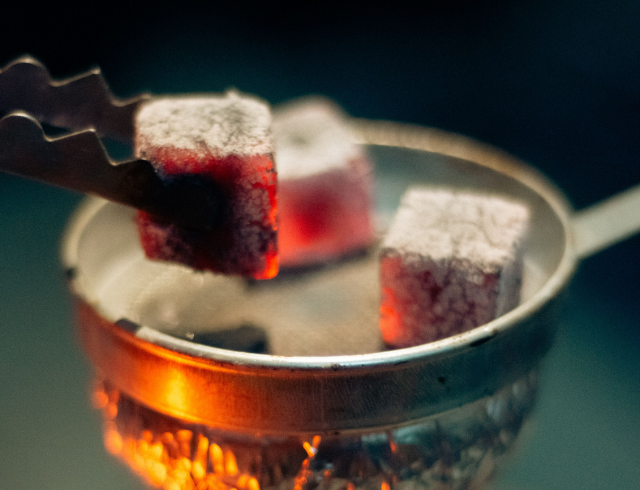
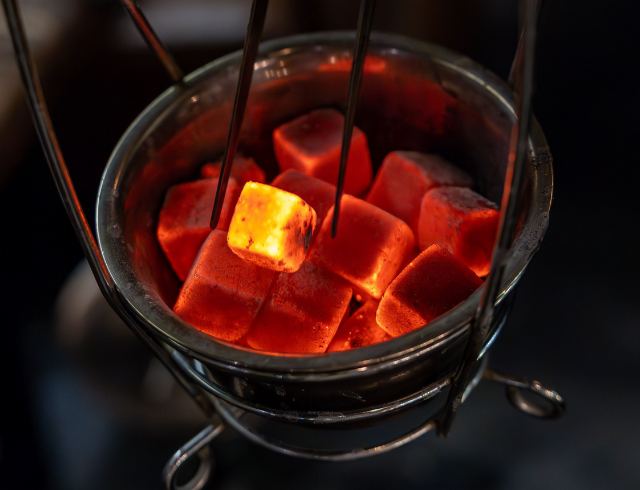
Cocoignis Coconut briquettes are a solid fuel made by compressing carbonized coconut shell powder into a dense, uniform block or cube — without using coconut shells in their raw lump form. Unlike ordinary lump charcoal, which comes in irregular pieces, briquettes are engineered: the coconut shell is first turned into charcoal, ground into fine powder, then pressed under high pressure (with a small amount of natural binder, usually tapioca starch) into a consistent shape. The result is a fuel that burns more predictably, more efficiently, and for longer than raw charcoal.

How Cocoignis Briquettes Are Made

  1. Shell Collection — Coconut shells are collected as a by-product from coconut oil, coconut water, and copra processing across Indonesia — nothing is grown specifically for charcoal, so the raw material is inherently sustainable.
  2. Carbonization — Shells are burned in low-oxygen kilns, converting them into raw charcoal while preserving carbon density.
  3. Crushing & Sieving — The charcoal is crushed into fine powder and sieved for consistency.
  4. Mixing — Charcoal powder is blended with a small amount of natural tapioca starch (a food-grade binder, not a chemical additive).
  5. Pressing — The mixture is compressed under high pressure into cubes, pillows, or hexagonal briquettes.
  6. Drying — Briquettes are dried to reduce moisture content below industry threshold, ensuring easy ignition and clean burn.
  7. Packing — Sorted, weighed, and packed to order for domestic or export shipment.

Why Briquettes Instead of Raw Charcoal

 Coconut BriquettesRaw Lump Charcoal
ShapeUniform, consistentIrregular
Burn timeLonger (2–4+ hrs)Shorter
Ash outputLowHigher
Heat consistencyStable, predictableFluctuates
Packing densityHigh (efficient shipping)Lower

Key Benefits

  • Longer burn, less refueling — the compressed density means a slower, steadier burn compared to loose charcoal.
  • Low smoke and odor — because it’s pure coconut carbon with a natural binder, it won’t carry chemical smells into food or shisha flavor.
  • Low ash residue — easier cleanup, and less waste per session.
  • Predictable performance — uniform size means consistent heat, which matters for commercial users running multiple sessions or grills per day.
  • Eco-friendly — made from a renewable agricultural by-product rather than cut timber, reducing deforestation pressure compared to wood charcoal.

Where They’re Used

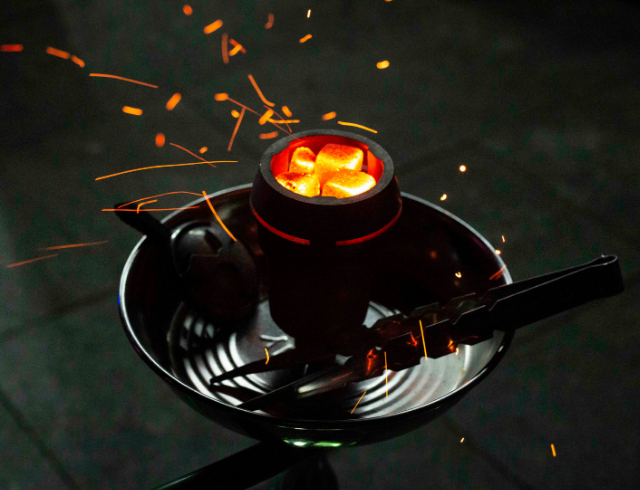
  • Shisha/hookah lounges (odorless, long-burning briquettes)
  • BBQ and commercial grilling (restaurants, catering, grill houses)
  • Industrial and export markets (bulk fuel supply)


Low Ash, No Odor, Long Burn